
Tree Distribution and Transplanting
The LongTrees initiative includes both private tree distribution and public tree transplanting programs. This guide outlines the processes and requirements for both.
Private Tree Distribution (5-10 Years)
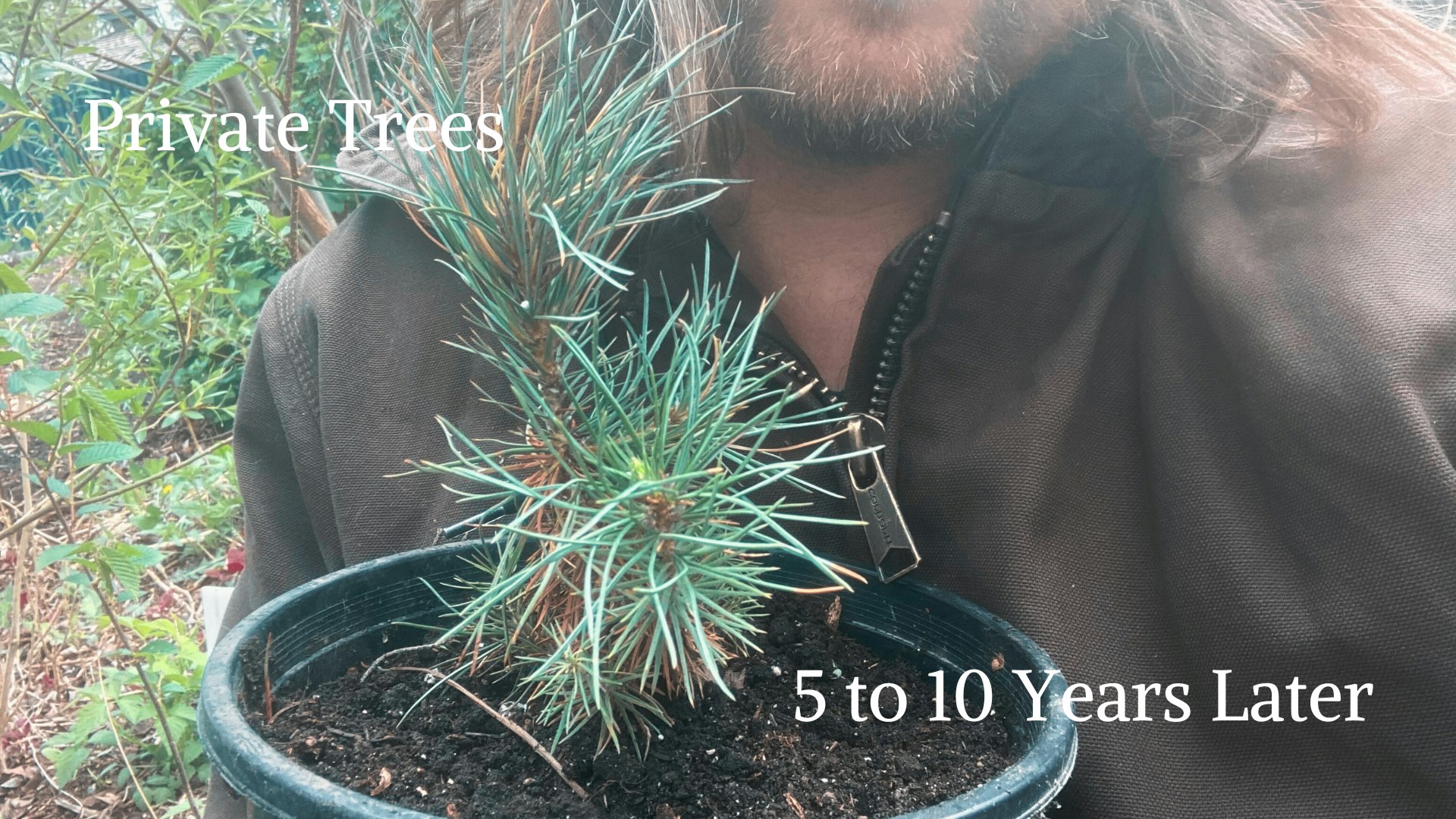
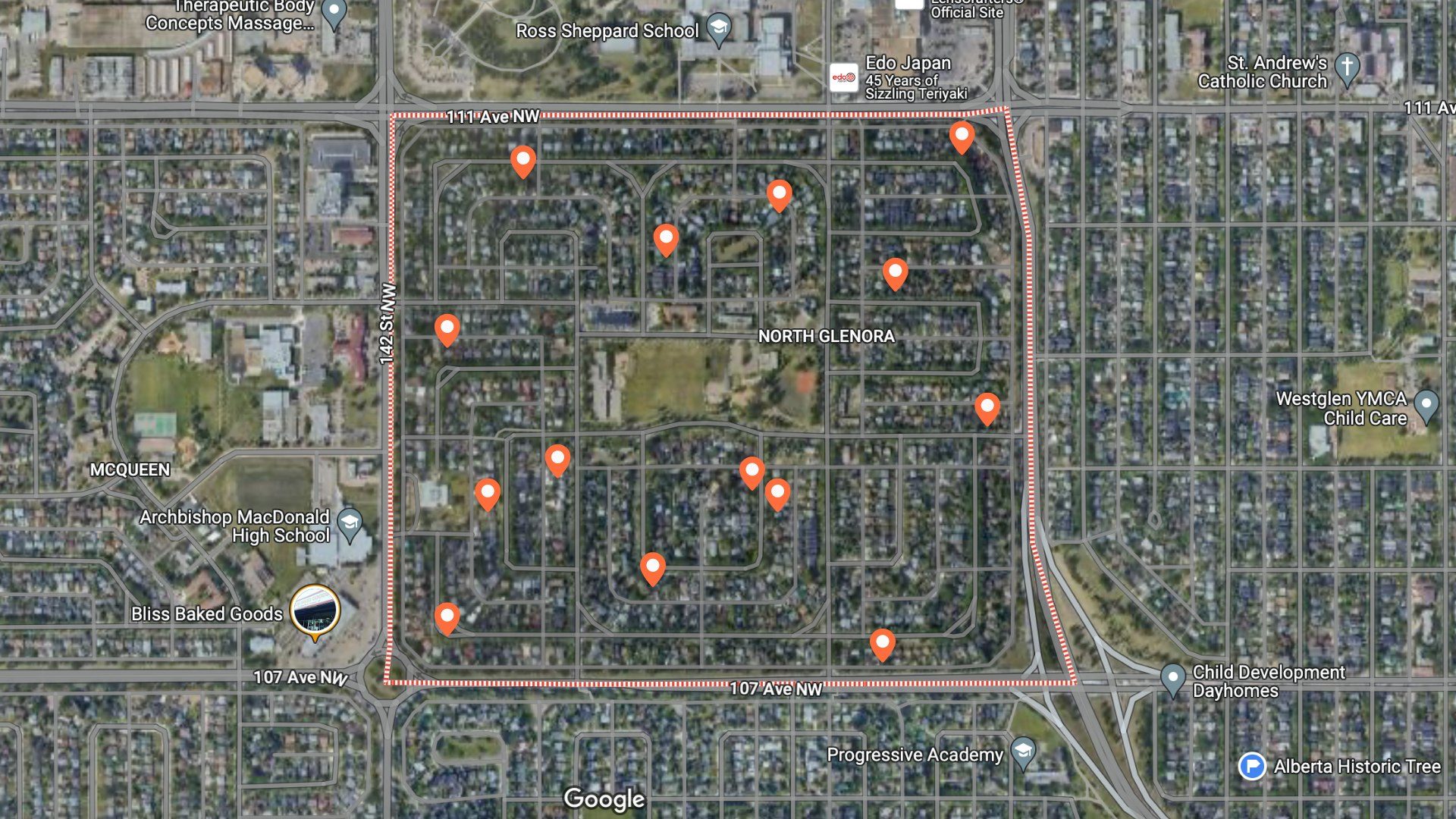
Once seedlings reach approximately 6 inches in height (typically 5-10 years), they can be shared with community members. This program helps spread the initiative throughout the community while ensuring proper care and documentation of each tree's journey.
Distribution Process
- Assess seedling health and height
- Document tree history and care requirements
- Select and prepare community recipients
- Provide care instructions and documentation
- Maintain contact information for future tracking
Public Tree Transplanting (10+ Years)
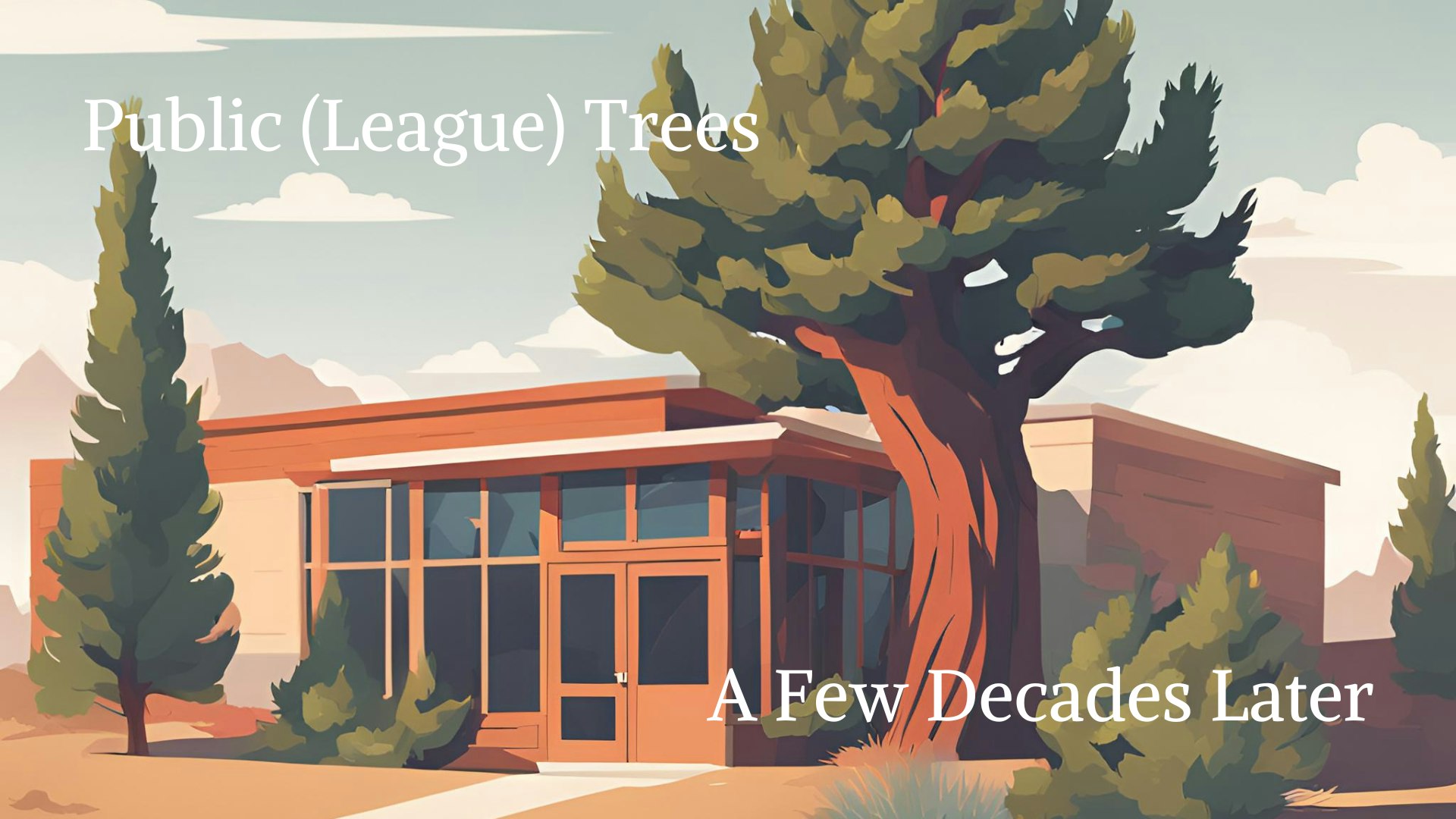
The League Tree
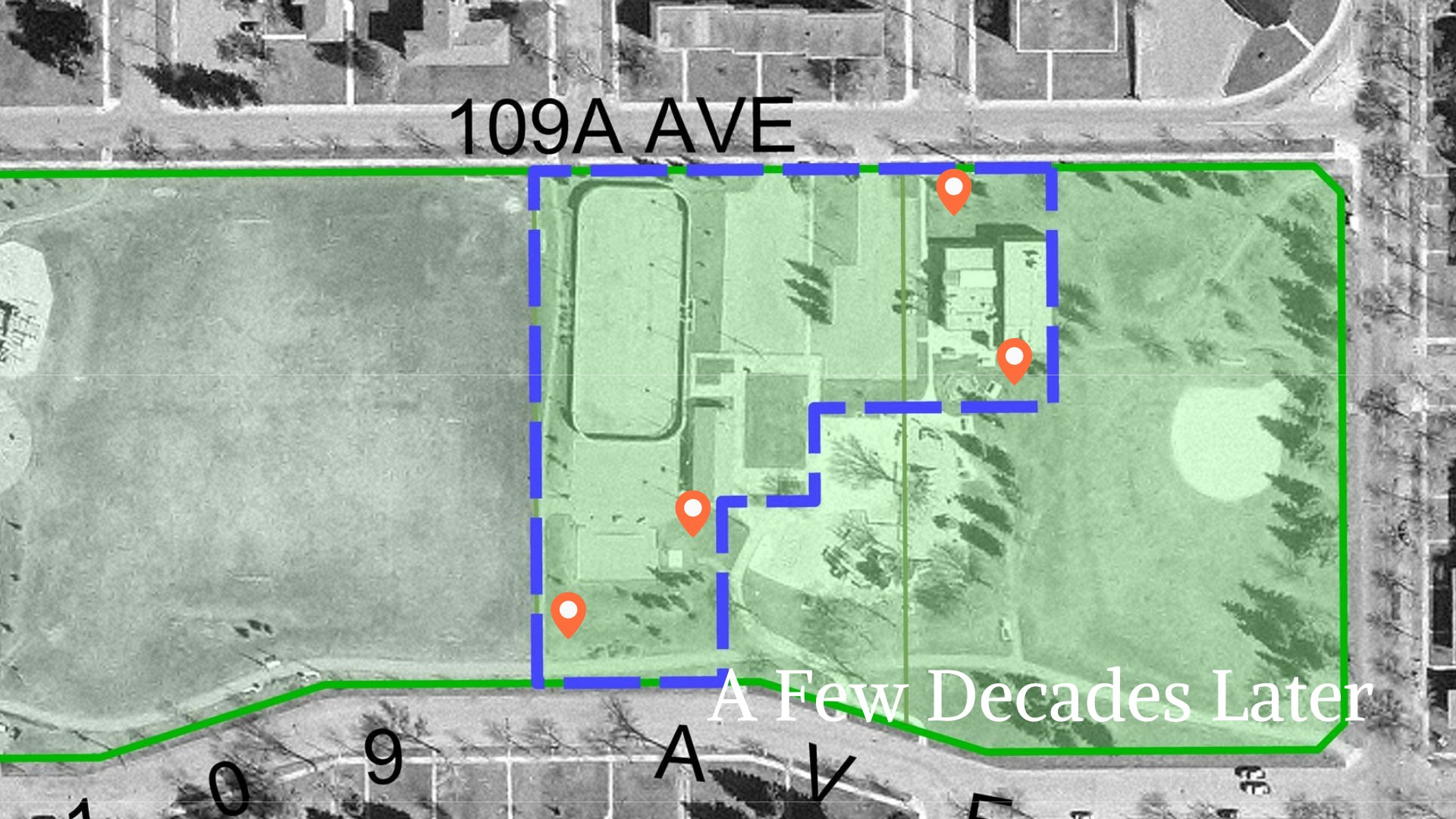
One tree from each nursery is designated as "The League Tree." This tree either:
- Remains in the nursery permanently, or
- Gets relocated to nearby League-licensed land once mature
City Requirements
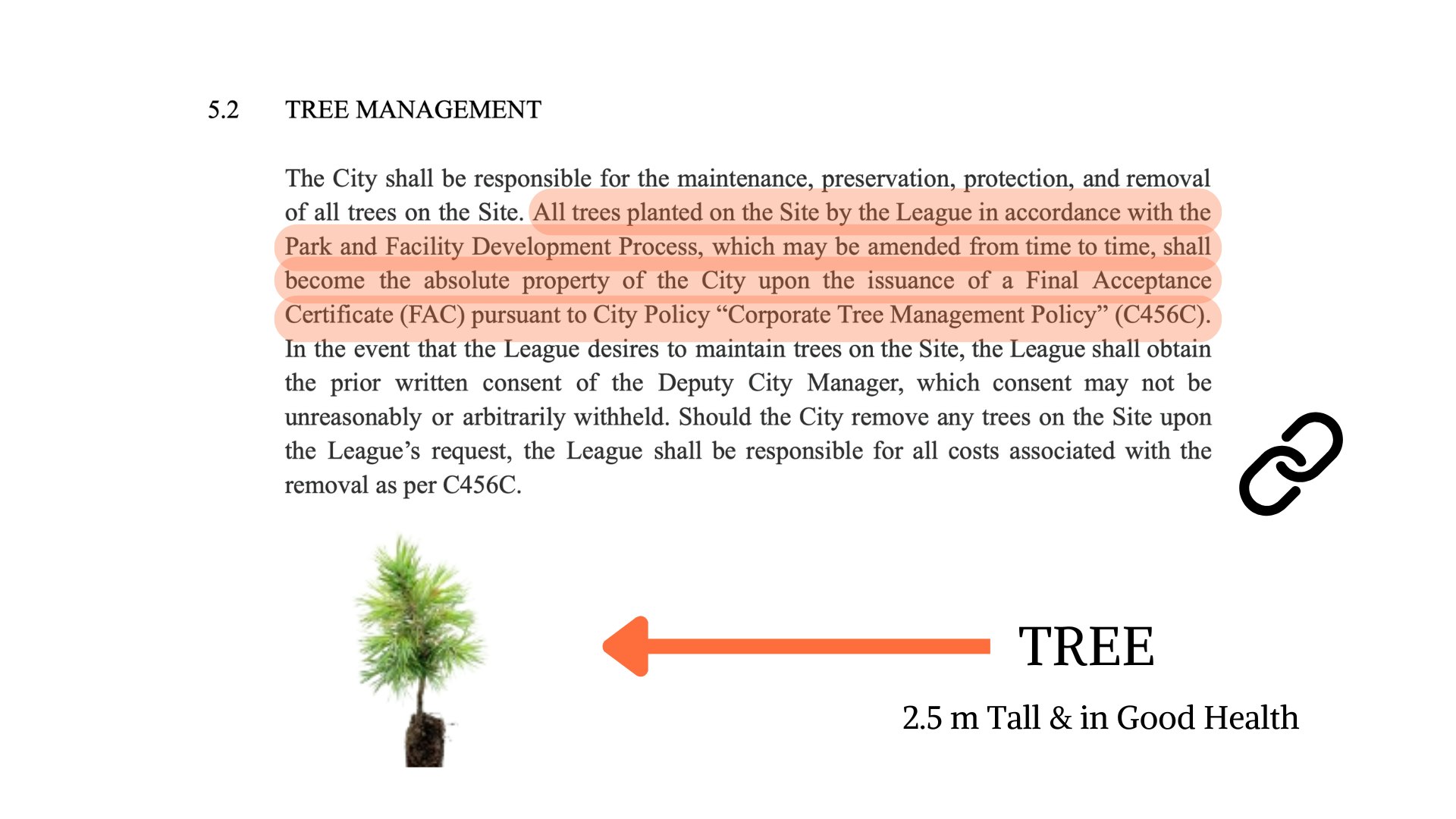
For trees to be planted on City of Edmonton land, they must meet specific criteria:
Size Requirements
- Coniferous Trees: Minimum height of 2.5 meters
- Deciduous Trees: Minimum 5 cm diameter at breast height (DBH)
WARNING
For slow-growing species like the Bristlecone Pine, reaching the required height may take several years to decades.
Health Standards
Trees must:
- Have good form with proper branch and root structure
- Show vigorous growth
- Be free of pests and disease
- Pass formal inspection by a City of Edmonton Urban Forester
Transplanting Process
Pre-Assessment
- Measure tree height/diameter
- Evaluate health and structure
- Document growth history
City Approval
- Request Urban Forester inspection
- Submit required documentation
- Obtain necessary permits
Site Selection
- Identify suitable location
- Check land licensing requirements
- Review landscaping requirements
Transplanting
- Schedule during appropriate season
- Follow proper transplanting procedures
- Document the process
- Establish care plan
TIP
Always consult with the LongTree Society and City of Edmonton before proceeding with any public tree transplanting.